Biodiversity
Since climate change is one of the main drivers of biodiversity loss, Eolus contributes significantly to reducing the negative impact on biodiversity through its role in the expansion of renewable energy. However, it is essential that we identify and proactively manage the negative effects that the development of renewable energy itself may have on wildlife, habitats, and ecosystems.
We believe that the transition to renewable energy, and therefore the phase-out of fossil fuels, can be part of the solution to the crisis facing the earth’s ecosystems. However, it is essential therefore that we identify and proactively manage the negative impacts that the actual expansion of renewable energy can have on wildlife, habitats and ecosystems.
In our sustainability strategy, we have a goal to achieve a net positive impact on biodiversity by 2030, within our areas of influence. This means that tour operations should have an overall positive effect on the conservation and enhancement of biodiversity.
Net-Positive Impact on Biodiversity by 2030
When Eolus develops renewable energy projects, our goal is to leave nature in an overall better state than when the project commenced.
We work to reduce impacts on biodiversity through careful choices of site location, technology, project design, and restoration plans for the projects we develop. This is done in accordance with the mitigation hierarchy, which prioritizes, in order, avoidance, minimization, restoration, and compensation of impacts on biodiversity and natural values.
To achieve our goal of a net positive impact on biodiversity by 2030, we depend on the availability of suitable frameworks for measuring and reporting biodiversity. We are currently testing and evaluating different methods for measuring biodiversity.
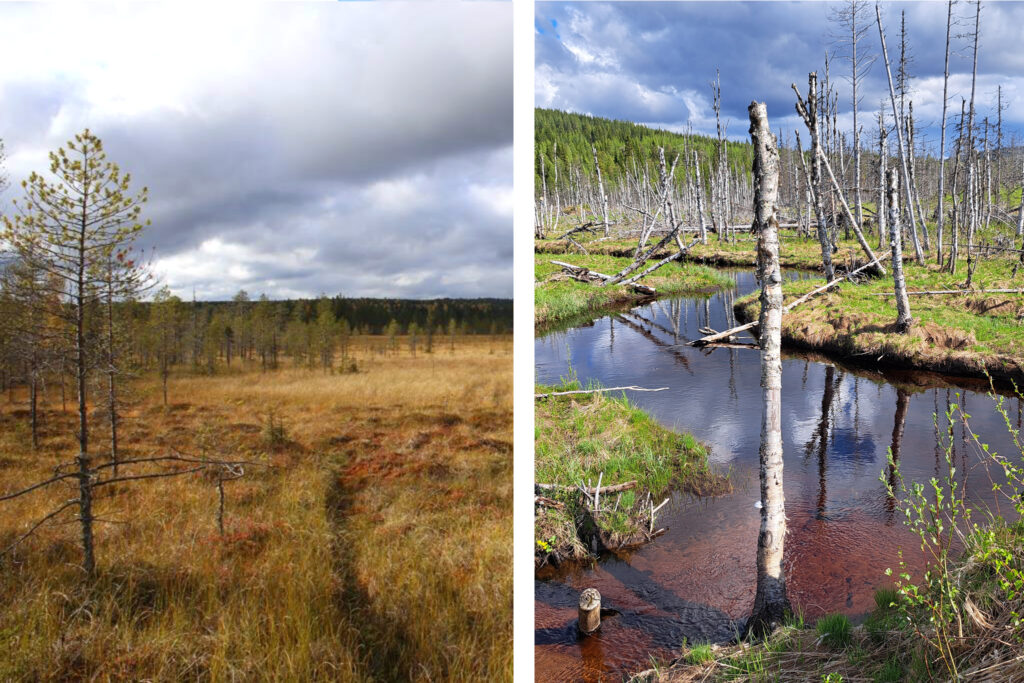
Nature Gift to Finland
In Finland, Eolus is one of the sponsors of the “Nature Gift to Finland” initiative together with other industry players and the Finnish industry organization. The initiative is enabling the preservation of 108 hectares of valuable nature in Simo, Puolanka and Pudasjärvi. It will contribute to the restoration of peatlands and the protection of natural forests, helping to improve habitats for endangered species and enabling continued carbon sequestration. In this way, we can contribute to nature restoration even before we have built our first projects in Finland, while also gaining knowledge that we can use in our projects.
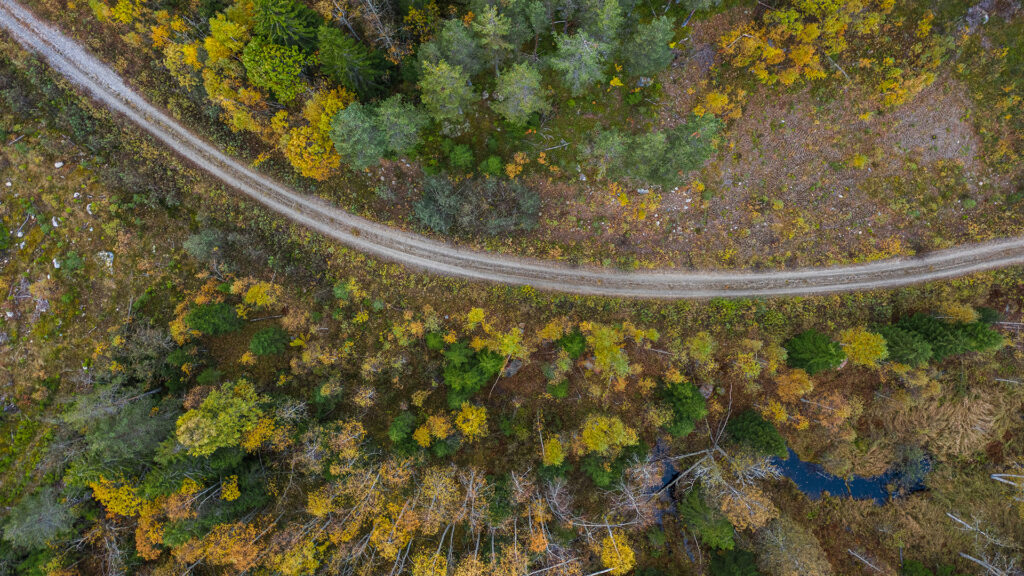
University cooperation in Poland
Eolus has signed an agreement with the Faculty of Science and Natural Sciences at the University of Szczecin concerning expert and research activities in the field of environmental analysis and monitoring.
We will work with students to implement a research project based on one of Eolus’s hybrid projects combining wind and photovoltaic energy. We will also support the University of Szczecin in adapting its study programs to current labor market needs and in developing students’ practical skills through participation in real-world project processes.
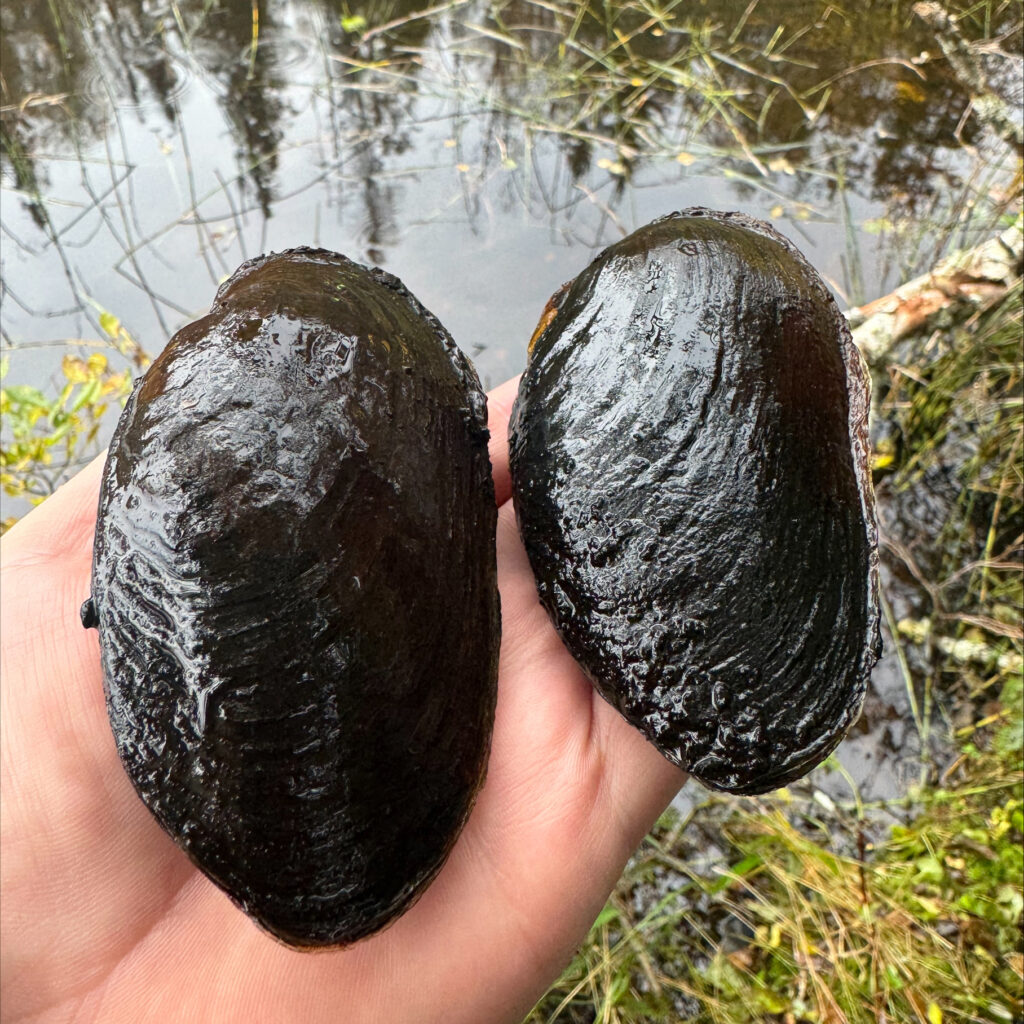
Stream Restoration in the Kråktorpet Wind Farm
Eolus has sponsored and participated in the restoration of a stream in the Kråktorpet Wind Farm. The purpose of the project was to support trout populations and the red-listed freshwater pearl mussel.
The project was carried out in collaboration with the Järkvissle-Västanå Fishing Conservation Association, the consultancy firm Svensk Naturvård, and with funding from the County Administrative Board of Västernorrland, with the approval of the landowner, SCA.
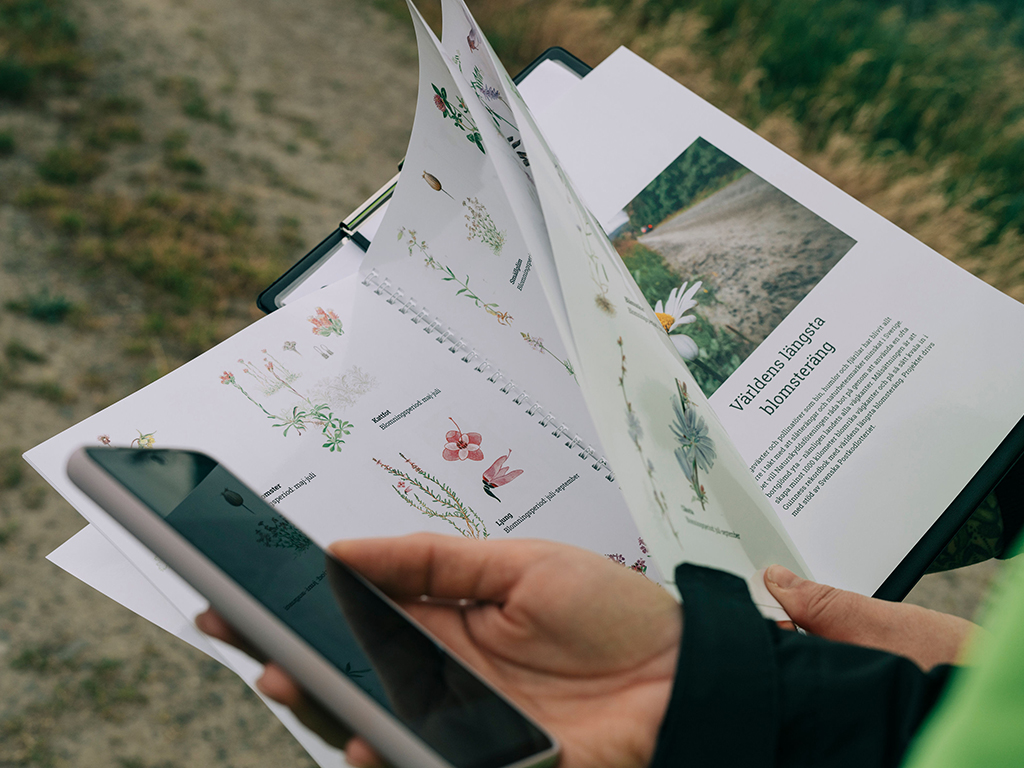
The World’s Longest Flower Meadow
Eolus has contributed to the project “The World’s Longest Flower Meadow,” run by the Swedish Society for Nature Conservation (Naturskyddsföreningen). In connection with a site visit to the Täppeshusen Wind Farm, employees worked together to carry out a plant survey along the road. Based on the survey, a management plan was developed to support the landowner in maintaining the land in a way that promotes biodiversity. The purpose of the activity was to explore how collaboration with landowners can help us achieve our biodiversity goals.